
When it comes to lean, high-quality protein, turkey breast stands out as one of the best choices for Australian households. Whether you’re planning a healthy midweek dinner, prepping meals for fitness goals, or simply looking for a versatile protein, understanding the nutritional value of turkey breast can help you make smarter dietary decisions.
In this guide, we’ll break down the nutritional profile of turkey breast, explore its health benefits, and share practical tips to help you get the most out of this nutrient-rich ingredient.
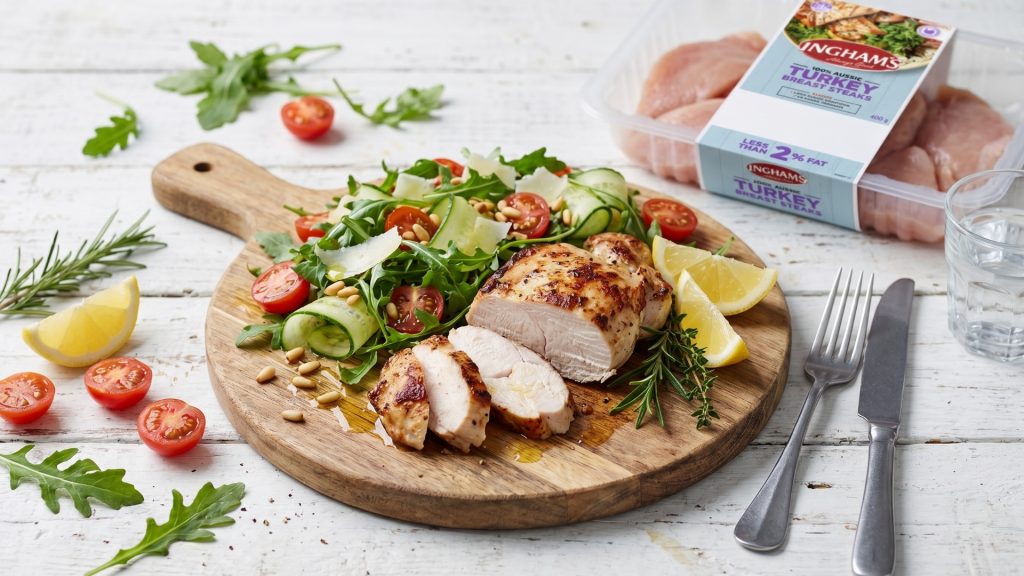
Why turkey breast is a nutritional powerhouse
Turkey breast has earned its reputation as a “clean protein” for good reason. It delivers essential nutrients without excessive fats or calories, making it ideal for a wide range of diets.
High protein and low fat
One of the standout features of turkey breast nutrition is its impressive protein content. According to the Better Health Channel, protein is essential for growing and repairing cells, supporting immune function, and keeping the body working properly.
At the same time, turkey breast is naturally low in fat, especially when the skin is properly removed. This makes it a great option for people who want to reduce saturated fat intake while still enjoying satisfying meals.
Why turkey breast stands out:
- High protein supports muscle growth and recovery
- Low fat content helps with weight management
- Minimal carbohydrates make it suitable for low-carb diets
Detailed nutrition facts for turkey breast (per 100g)
Understanding the nutritional makeup of turkey breast can help you plan meals more effectively. While exact values vary slightly depending on preparation, here’s a general breakdown for cooked, skinless turkey breast.
Turkey Breast Nutrition
Per 100g serving • Skinless, cooked
Comparing roast vs frozen turkey breast
Many people wonder whether fresh or frozen options are better. The good news? Both can be excellent choices when handled properly.
Maximising nutrition with roast turkey breast
Roast turkey breast is a classic favourite in Australian kitchens. When cooked correctly, it retains most of its nutrients while delivering rich flavour.
Tips for healthy roasting:
- Use minimal oil to keep fat content low
- Avoid overcooking to preserve protein quality
- Season with herbs instead of heavy sauces
Roasting enhances taste without significantly compromising the nutrition of turkey breast, making it a great option for family meals. For step-by-step roasting guidance, see our top tips to cook turkey from Manu Feildel, or try the Ingham’s Classic Turkey Breast Oven Roasted for a ready-cooked option.
The convenience and quality of frozen turkey breast
Frozen turkey breast offers convenience without sacrificing nutrition. Modern freezing techniques help lock in nutrients, ensuring you get similar benefits to fresh options.
Benefits include:
- Longer shelf life
- Reduced food waste
- Easy portion control
For busy households, frozen turkey breast is a practical way to maintain a healthy diet without constant grocery trips. Try our Ingham’s Turkey Breast Traditional Roast 2kg or the Frozen Turkey Buffe 3kg for easy-to-store family meal options.
Health benefits of including turkey breast in your diet
Adding turkey breast to your meals regularly can support several aspects of health.
Supports muscle growth and recovery
Thanks to its high protein content, turkey breast is ideal for athletes and active individuals. It provides essential amino acids that help repair muscle tissue after exercise and support overall strength development.
Aids weight management
Low in fat and calories, it helps you stay full without overeating. The high protein content also promotes satiety, reducing cravings and helping maintain a balanced calorie intake throughout the day.
Boosts energy levels
B vitamins play a key role in energy metabolism, helping people stay active throughout the day. These nutrients help convert food into usable energy, supporting physical and mental performance.
Promotes heart health
Low saturated fat levels make turkey breast a heart-friendly protein option. The Heart Foundation of Australia recommends including smaller amounts of lean poultry as part of a heart-healthy eating pattern alongside plant-based proteins, fish, and seafood. For more on the role of fats in cardiovascular health, healthdirect’s guide to dietary fats is a useful resource.
Strengthens immunity
Nutrients like zinc and selenium support a strong immune system. These minerals play an important role in protecting the body against infections and maintaining optimal immune function.
How to choose the best turkey breast at the supermarket
Not all turkey products are created equal. Choosing the best turkey breast ensures you get maximum nutrition and quality.
Here’s what to look for:
- Minimal processing: avoid products with excessive additives
- Low sodium options: especially important for heart health
- Clear labelling: check for nutritional information
- Trusted Australian brands: ensure consistent quality and safety
For a reliable option, explore the full Ingham’s turkey range. From turkey breast strips and turkey breast steaks to lean turkey breast mince and ready-to-heat roasts, Ingham’s makes it easier to enjoy nutritious, high-protein meals at home.
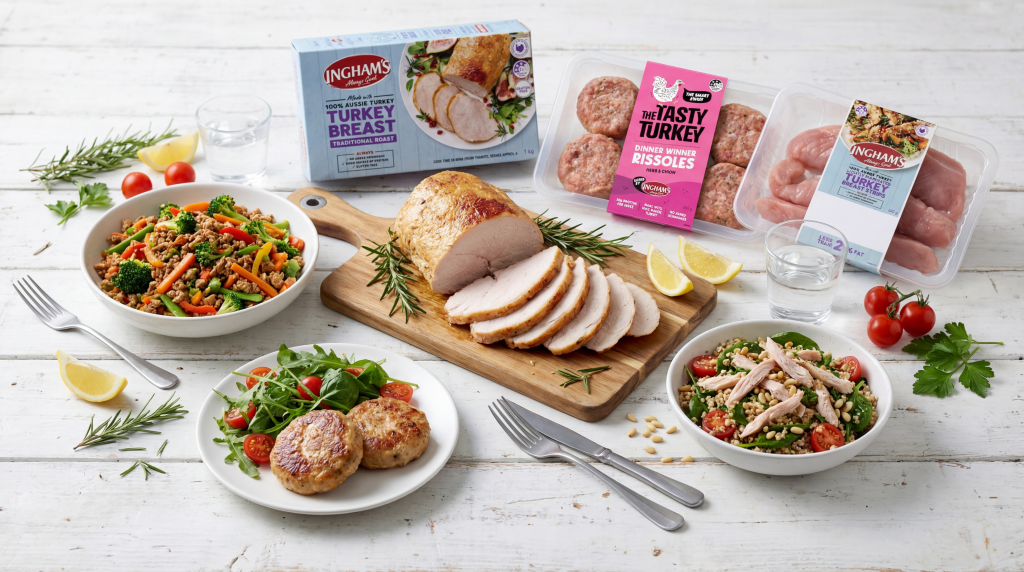
Healthy turkey breast recipe ideas for busy families
Turkey breast is incredibly versatile, making it easy to incorporate into everyday meals.
Quick turkey mince stir-fry
Using Ingham’s turkey breast mince, you can whip up a healthy stir-fry in under 20 minutes. Cook the mince in a pan with a small amount of oil over medium to high heat until fully cooked. Add your favourite vegetables, garlic, and light sauces. It’s a balanced, protein-rich meal that pairs well with rice or wraps.
Easy turkey mince lettuce cups
For a lighter option, cooked turkey mince can be seasoned with herbs and spices, then spooned into fresh lettuce leaves. This is a great low-carb meal that’s quick to prepare and perfect for busy weeknights.
Grilled turkey breast strips with veggies
Ingham’s Turkey Breast Strips are ideal for simple, no-fuss meals. Lightly coat them with oil and cook in a pan or on a BBQ over medium heat, turning occasionally until fully cooked. Serve with steamed or roasted vegetables for a wholesome dinner.
Turkey wraps or rolls
Cooked turkey strips can be added to wholegrain wraps with salad, avocado, and a light dressing. A quick lunch or dinner option that’s both nutritious and satisfying.
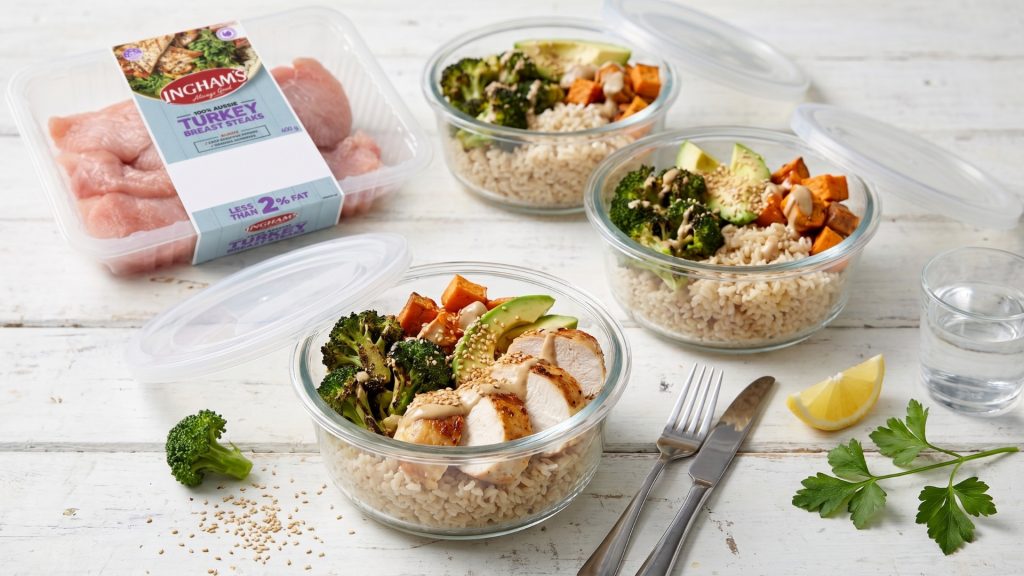
Meal prep bowls with turkey
Both turkey mince and strips are great for meal prepping. Cook in batches and portion with grains such as brown rice or quinoa, along with vegetables. For more quick dinner inspiration, browse our Dinner Done collection or try our Mediterranean-style turkey koftas for a flavour-packed option.
These ideas make it easy to enjoy the benefits of turkey breast nutrition without spending hours in the kitchen.
Fuel your day with quality Australian turkey
Understanding key turkey breast nutrition facts empowers you to make healthier food choices for yourself and your family. With its low fat levels, high protein content, and rich array of vitamins and minerals, turkey breast is a smart addition to any diet. Want more reasons to add it to your weekly rotation? Read our full guide on five reasons turkey should be on your shopping list. Whether you prefer roast turkey breast for a hearty dinner or frozen turkey breast for convenience, this versatile ingredient delivers both nutrition and flavour. Explore the Ingham’s recipe collection or browse our turkey burger recipes to bring quality Australian protein to your table.
Frequently asked questions about turkey nutrition
Click a question to reveal the answer
Is turkey breast healthier than chicken breast? +
Both turkey and chicken breasts are excellent lean protein sources. Turkey breast is slightly lower in fat in some cases, but the difference is minimal. The healthier choice depends on preparation and portion size.
How many calories are in 100g of roasted turkey breast? +
Typically, 100g of roasted turkey breast contains around 130 to 150 calories, depending on cooking method and whether any added fats are used.
Are frozen turkey breasts as nutritious as fresh ones? +
Yes, frozen turkey breasts retain most of their nutrients due to modern freezing methods. They are a convenient and reliable option.
What is the best way to cook a turkey breast to keep it healthy? +
Roasting, grilling, or steaming with minimal added fat is ideal. Avoid heavy sauces and excessive oil to maintain its natural nutritional benefits. Always cook turkey to a safe internal temperature — FSANZ recommends 75°C in the centre of the meat for food safety.
How much turkey should I eat per day? +
A standard serve is around 80g of cooked lean poultry, which is about 100g raw. The Australian Dietary Guidelines recommend 1 to 3 serves of lean meat, poultry, fish, eggs, tofu, nuts, seeds, or legumes per day, depending on age, sex, and activity level.
Is turkey breast good for weight loss? +
Yes — turkey breast is low in fat and calories while being high in protein, which helps promote satiety and reduce cravings. Paired with plenty of vegetables and wholegrains, it can be a valuable part of a balanced, calorie-controlled diet.